

In this week’s blog, resident blogger Beth Price talks mental health, burnout, and the pressure to do self-care perfectly.
I don’t know about you, but I’m exhausted. My to-do list is growing, not shrinking, multiple deadlines are looming including the dreaded first-year review, and I’m yawning my way through the day no matter how many coffees I drink.
In short, I’m at risk of burning out.

I’ve been here before and will reluctantly admit that I’ve noticed the early signs that my mental health is not sparkling for a few weeks. The fun combination of exhaustion and insomnia, a lack of interest in my work/research, a constant nagging headache, my daily check in with myself is basically a tick box on the list of “signs of burnout” symptoms. I’m teetering, but not crashing just yet.
And being the perfectionist I am, of course I need to do self-care perfectly in order to recover immediately and carry on spinning too many plates until I restart the cycle and end up semi-burnt out in approximately six to eight weeks.
I’d love to say that I’m joking, but the online cart full of adult colouring books and essential oils begs to differ…
So in an attempt to break this particular cycle – handily holding myself publicly accountable as well as sharing hopefully useful advice – here are my tips for how to actually deal with the early signs of burnout, no colouring books required.
Cut Yourself Off
I’m a self-confessed early bird, which is exactly as cool as it sounds. And yet even though I’m almost always sat at my desk by 10am, I find myself working later and later into the night. A combination of nagging guilt and, frankly, a lack of anything else to do means that I find myself logging back on after dinner and working until 10.30pm before trying to go to bed. Perhaps unsurprisingly, sleep rarely comes swiftly.
When a deadline is just around the corner, we have to work late. That’s an inevitable fact of doing a PhD. But making a habit of working (or at least trying to) from when you wake up to when you try to sleep is a terrible idea. As silly as it might sound, I set an alarm in the evening to tell me that I’m done for the day. This is aided by my cat making it deeply apparent that I owe him dinner at 9pm on the dot every night, but the jolt of my alarm helps to reinforce the fact that I’m done for the day. My research will be there tomorrow, and it only takes 5 minutes to write a quick sticky note to remind myself where to pick up in the morning.
Schedule Fun
In reality, I’m actually very fun, relaxed, and easy-going. But I do need to schedule fun things in my calendar.
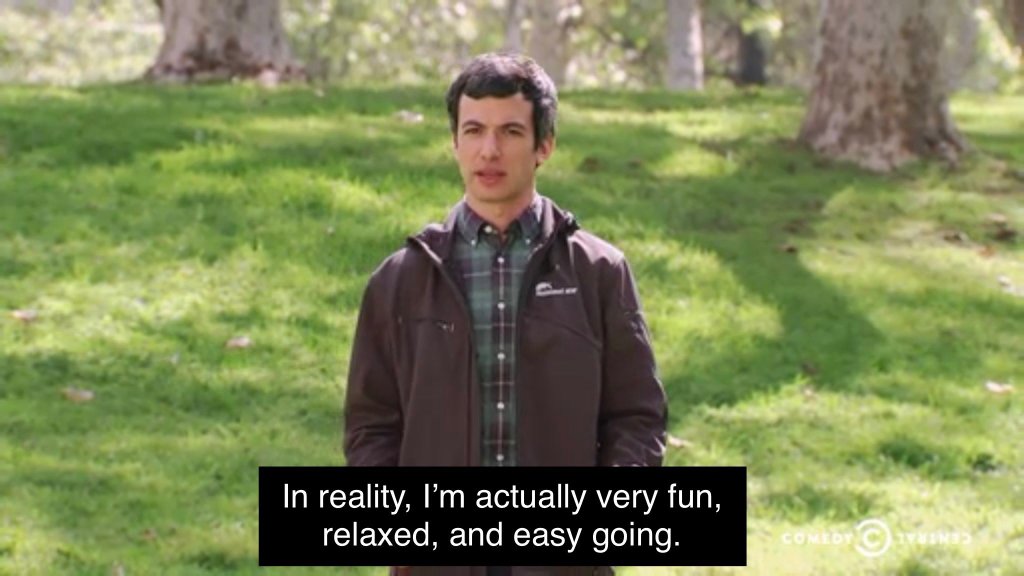
On the one hand, scheduling coffee meet-ups or group pub trips is the only way to get multiple busy PhD students in one place, and this is a completely reasonable and normal thing to do. On the other hand, scheduling fun things like walking to that nice bakery in town is a really helpful way of making sure that my entire day isn’t just focused on work.
In the same way that having an alarm to signal it’s quitting time helps me regulate my work hours, putting things like “afternoon bubble bath” in my (private) calendar with a reminder is the best way I’ve found to prompt myself to step away from the desk. It helps me literally see what proportion of my life I’m spending working compared to the time I spend relaxing. I know rationally that I feel much better after I’ve had a break and done something enjoyable, and putting it in my calendar helps to negate any guilt that might come with turning away from work.
This also applies to scheduling proper fun, like weekends away or holidays. In a full-time job in the UK, you get at least 28 days of annual leave by law. At least. But in the last seven months of my full-time PhD, I’ve maybe taken three.
Deadline-dependent, take time off. Even if you can’t afford to travel, block out entire weekends and lock your laptop away. Take a week off and spend that time doing anything other than work. If you can, actually go on holiday and don’t take your notebook with you. Schedule fun and block out your calendar, it will help.
Treat Yourself Like A Plant
One of my 2023 New Year’s Resolutions was to keep my plants alive, and I am proud to say that I have succeeded so far. The peaky-looking spider plant on my windowsill is still technically alive. I have achieved this only by asking one of my green-fingered friends how they manage to get their plants to flourish, and following their advice religiously. Funnily enough, a lot of it transfers to self-care as well:
- Have you watered the plant?
- Have you given it plant food and nutrients?
- Has it got enough daylight?
- Is it in the right soil?
When applied to humans:
- Have you drunk enough water today?
- Have you eaten proper nutritious food today?
- Have you been outside and moved your body?
- Have you done something nice for yourself (e.g., talked to a friend, done a hobby)?
If the answer is no to any of the above, that is probably why you’re looking a bit peaky on the windowsill.
There is a twisted kind of comfort for me in burnout. It proves that I’m working hard, and that I’m doing difficult things and doing them well. But burnout isn’t healthy, sustainable, or admirable. Re-learning that self-care is a fundamental building block of functioning as a person, and figuring out how to incorporate it into my life, scheduled or otherwise, is the only reason that I have got this far. The world of academia rewards high-achievers, but we as the next generation of researchers can push back against the cycle of burnout it has created.
For actual advice on mental health and burnout:

Beth Price is a 1st year PhD researcher in Chinese Studies at the University of Edinburgh. Her research explores nudity and the female body in media, arts and popularised medical science during the Republican Period in China (1911 – 1949) in the context of feminism, semi-colonialism, and a new transcultural medical discourse. Find her other writing, outreach, and community education resources at @breakdown_education on Instagram.
 SGSAH Blog