
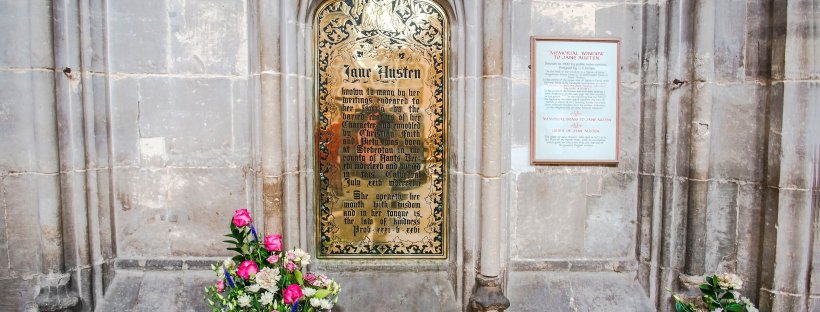
Grief is a natural part of life, and many of us will experience it during our PhDs. This week, Katie MacLean writes about the loss of her dad. She shares practical advice for how to cope with grief, and how her research has become a way of honouring the memory of her loved one.

My dad passed away in April when I was on a research trip in America.
I didn’t go home because I knew my dad would want me to finish my fellowship. Some people judged me for that decision, but I had been his carer for the last 7 months of his life, a responsibility that coincided almost to the day with the start of my PhD. Being a carer as a student and the burnout it causes is a topic I had never heard about before it happened to me. I wasn’t prepared for how it would affect me – emotionally and physically.
I’m not saying that this was a healthy way to cope with things, but throwing myself into my research helped to take my mind off what was happening at home, and what I would come home to: dad’s funeral.
My PhD project is about stage adaptations of Jane Austen’s novels. When she died in 1817 after a period of illness, her sister Cassandra wrote:
“I watched the little mournful procession the length of the Street & when it turned from my sight & I had lost her for ever – even then I was not overpowered, nor so much agitated as I am now in writing of it. – Never was human being more sincerely mourned by those who attended her remains than was this dear creature.”[1]
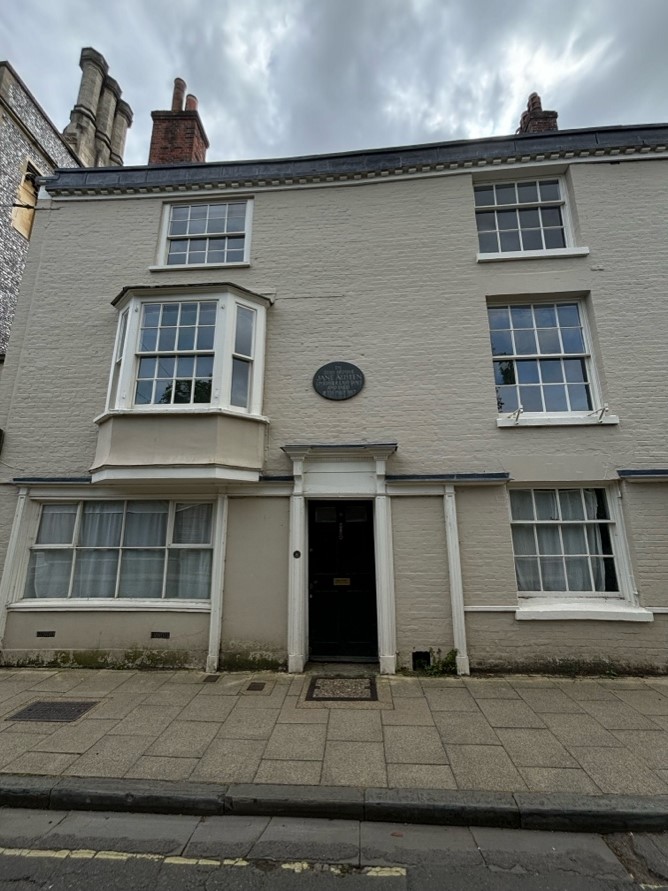
When I came home from America, I also found my life physically different to how it had been before the fellowship. The hospital bed was gone. There were no nurses or doctors coming and going. Everything was quiet again, like it had been before he fell ill.
Despite this peacefulness, I had a constant and horrible sensation of dread. Experiencing parent loss has opened me up to intense fears that I had not previously thought twice about.
However, grief is a part of life. And because we are humans, not academic robots, it’s part of the normal occurrences of life that you may experience during your PhD studies. I’m not a professional, but here are some practical tips I have found that help me navigate grief:
Ask for help
Dealing with your loved one’s estate and the paperwork that comes with a death is overwhelming. Lean on your family and friends for support. They want to give it to you.
In academic terms, state your boundaries. I have had to change deadlines to suit my new normal working hours. I have had to share responsibilities with others and step down when I don’t have the bandwidth for something. People are always accommodating.
Give back to your community
This can give you purpose during grief and help you find meaning in your loved one’s death. I fundraised for Scottish Families Affected by Alcohol and Drugs (SFAAD.)
Destigmatising my dad’s death, and the wider public health issues that caused it, is important to my grieving process. Although substance related deaths can cause conflicted emotions for family members, I will never hide the circumstances around how my dad died.
Think about the happy times
It is hard not to become wrapped up in the sadness of everything that has happened, especially since my dad died from alcoholism. Small things like songs and smells can trigger flashbacks. Grounding happier memories through objects like photographs, mementos, and clothing can give you a physical reminder of happier times.
In terms of the future, try to plan little things around your studies that you know will make you happy so that you have something to look forward to. Spending time with my baby niece cheers me up.
Write everything down
On a practical note, grief gives you brain mush. Write everything down because you will inevitably forget something.
You may also find personal writing beneficial. I keep a diary. Grief can be isolating and scary. Your brain makes you think irrational thoughts that can make you feel like a bad person. Writing things down lets it all come out with no judgment.
I also wrote my dad’s eulogy and it was a cathartic process. It allowed me to focus on the good things that happened in his life rather than thinking about how it ended. Saying ‘thank you’ to the people who helped him during illness was also important to me.

Telling people about your loss
The only people I have told about my bereavement beyond friends and family are my supervisors. Parent loss is one of the biggest things you can experience in your life, and it is natural to think you have to share it with people, because it is such big news for you. However, it is perfectly within your right to not tell people that you are grieving, and I have found that helpful.
On the other hand, letting people know you are going through something takes the pressure off you to act ‘normal’ and allows them to support you. Do what feels right for you.
Honour your loved one through your research
My dad, who loved music, poetry, and lyricism, always told me to just do what I enjoyed, and everything else would fall into place. I’ll admit that this was naïve thinking from someone who didn’t know about the cuts to the Arts and Humanities, but really it was this emotional and practical support that gave me the confidence to do what I love.
With the progression of my PhD also comes a definite sadness that my dad won’t get to see how it goes, but my research is also helping me through grief. I open my laptop and I write, or I read, or I scroll through emails, and I can forget about everything that has happened this past year.
But, most importantly, I would recommend taking a well needed break – you deserve it.
Photos by the author, apart from the cover image which was taken from British and Irish Walks.

Katie Maclean is a Carnegie Trust funded PhD student at the University of Stirling and a member of SGSAH’s Doctoral Researcher Committee. Her project investigates Jane Austen’s afterlives in amateur and professional theatre from the eighteenth century to present and their queer dimensions. She was the 2024 Jane Austen Scholar-in-Residence at Goucher College, Maryland and a Visiting Fellow at Chawton House in August 2024. She is on the editorial board for the Romance, Revolution and Reform Journal. Twitter/X: @katiemacleann
[1] Cassandra Austen, Letter ‘CEA/3. From Cassandra Austen to Fanny Knight, Tuesday 29 July 1817,’ in Jane Austen’s Letters, ed. Dierdre LeFaye (Oxford: Oxford University Press, 1995), 347.
 SGSAH Blog