

In this week’s blog, resident blogger Beth shares her tips on how to maintain a work/life balance during your PhD.
Full disclosure, when this blog goes live I will be up a hill in the Lake District. An old friend is visiting the UK for a few days and invited me to abandon my desk and make the trip down south for a day out. Beautiful hills, a hearty lunch, and gingerbread have been promised. And yet pulling myself away from my current Monday routine of reading, archive trawling, and planning my next load of writing has also made me seriously anxious.
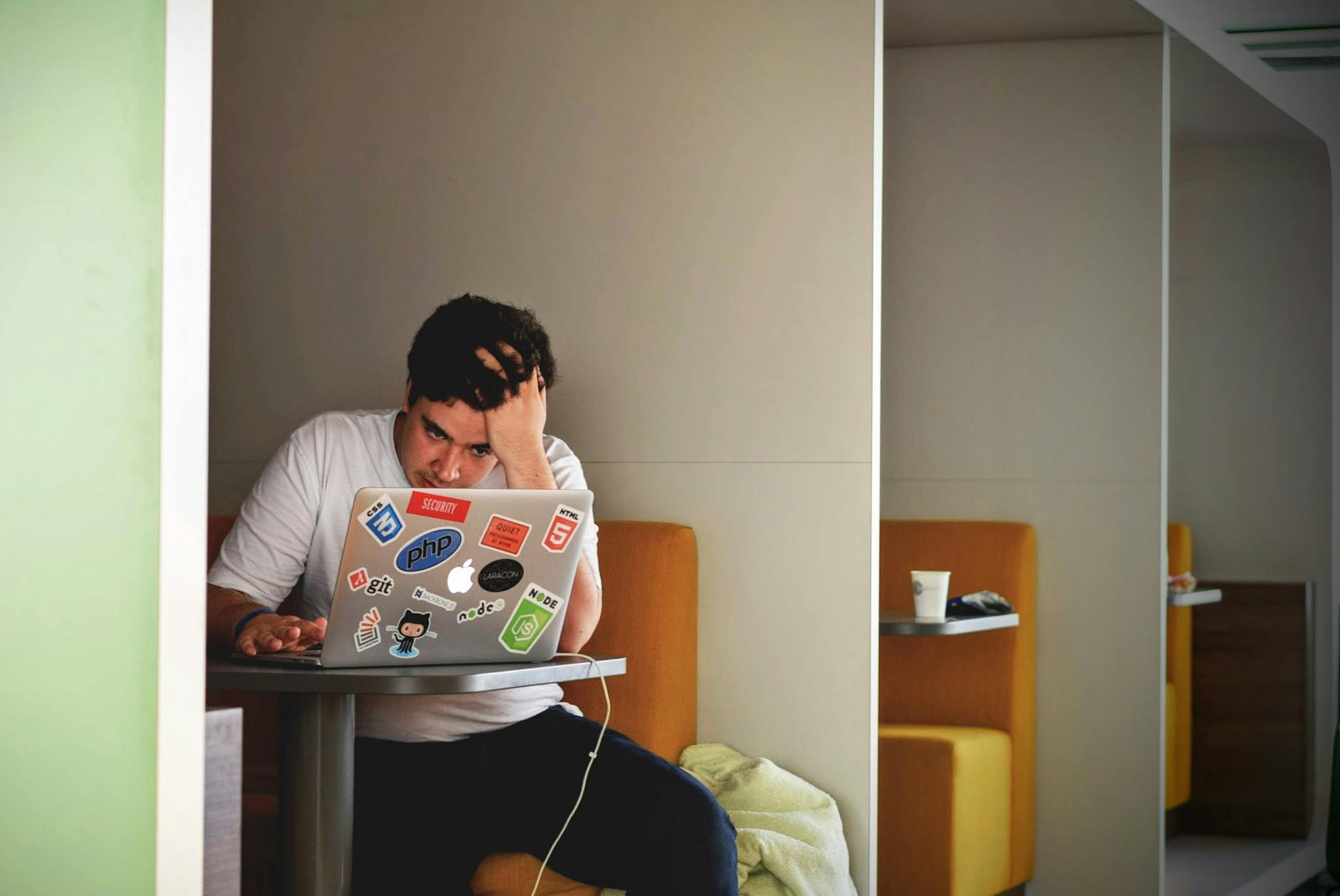
More than one-third of postgraduate students across the globe suffer from some level of anxiety according to a 2023 report. The same report says that 85% of us spend more than 41 hours a week working on our research. As a reminder, most full-time contracts in the UK come in somewhere between 35 and 38 hours per week, and there is an actual law prohibiting people from working more than 48 hours in seven days (unless you agree to waive this right in your job contract). On top of time spent reading and researching, around 20% of PhD students have part-time jobs, meaning that many of us rack up nearly 60 hours a week.
So how do we make sure that we don’t burn out? Here are three cornerstones I use to maintain a work/life balance as a PhD student.
Recognise Your Ideal Routine
Whether by genetic predisposition or by sheer force of will, I am grudgingly a morning person. I feel better when I wake up early enough to go to the gym, have breakfast, and make a coffee ready to sit down at my desk for 10am. I can focus well until lunch, do a decent ninety minutes after my sandwich, and then crash at 3pm. Any attempts at focusing on my archival analysis between 3pm and 7pm are less than futile, but I can claw back a couple more hours before switching my laptop off at 9pm if I really need to. Yes, I am middle aged at heart.
One of my close friends is almost completely the opposite. She drags herself out of bed at 11am and gets going around lunchtime. She can get her admin and odds and ends done during the afternoon, and likes to go to the gym around 7pm. Her focus time to shine is after dark when there is less to distract her and she can put on her headphones and zone in on her work. She is still going strong well past midnight, usually going to bed not far off 2am. Like ships that pass in the night, we will never share a study session.
But neither of us has the “wrong” routine. People moralise about being up with the lark, calling anyone who prefers a lie in “lazy”, but with a PhD, it doesn’t really matter. There aren’t any prizes for logging on at 9am, and there are mercifully few seminars where attendance gets counted anymore (unless you’re the tutor!). If you work best at night when you can’t get distracted by people watching, work at night. If you lose all sense of routine as soon as you disable your alarm, stick to a steady morning start. If, like me, you are useless for a few hours after lunch, embrace that rather than punishing yourself through it. The beauty of PhD research is that you can do it in your own time, so work with your energy rather than against it.
Treat Your Research Like A Job
One of the best tips my supervisor has given me is to act like I have a real job. Although that doesn’t necessarily mean sticking to 9-5 hours, treating my research like I’m reporting to an employer is one of the best ways I’ve found to keep a semblance of a work/life balance. I had no problem logging off at 5pm or clocking out as soon as my shift ended, so why should I feel guilty finishing my research for the day?
In a real job, it is easier to recognise that some days are more productive than others and that you’re more interested in doing some tasks than others. Remembering that when it comes to my own research has been a real help in maintaining a balance and switching off, both literally and mentally. I find that going all out and tracking my hours keeps me in line, and helps to stop the time (and guilt) creep that leads to 12 hour days, 6 days a week.
Of course, sometimes jobs need overtime and PhDs need long nights of work. When big deadlines are coming up, the ratio of working : non-working hours has to change. Overall, however, seeing your PhD more as a job that takes up your working life rather than as something all-consuming and never ending is the best way to keep your real life as a priority.
Schedule Breaks, Big and Small
On day 1 of our PhD induction, we were told how to request vacation leave of up to eight weeks a year. This was broadly met with confusion. Is taking vacation leave the same as studying abroad? No. Is vacation leave just for international students? No. Does taking vacation leave mean we need to apply for an interruption of study? Also no. The very idea of taking time off from researching and studying seemed a little bit mad, and honestly still does. Deadlines loom, everyone else seems to be doing more work than you, and the AirBnB has Wifi, so you could just log on and go through that article one more time…

Going on holiday (and actually relaxing during it) can lower your chance of dying from coronary heart disease. The mindful benefits of vacations overlap with daily meditation practice. Vacations are proven to help reduce stress, which is quite relevant when so many of us suffer from anxiety.
Scheduling breaks and sticking to them is really important in prioritising our wellbeing and work/life balance. Even if we don’t make it to a beach, having proper, multi-day breaks from our PhD lets us rest and recharge, and can be a good excuse for celebrating the wins of passing a deadline or submitting a paper.
Similarly, keeping the weekend PhD-free – whether your “weekend” is on Saturday, Sunday, or Thursday – helps us rest and catch up on sleep debt, which is key to not just academic achievement but our physical health. Resting on the weekend means we are more engaged during the week. People who spend their non-working time doing hobbies they enjoy are less stressed than those who don’t.
Having a work/life balance as a PhD student is only possible when we put effort into maintaining one. It is all too easy to slip into the habit of late nights and long days, and when we are inevitably less productive because of it, we think that the only answer is to work for longer. But if we intentionally structure our days, stick to a routine that suits us individually, and take time off to actually rest and recover, we can achieve a work/life balance, and we will be happier and healthier for it.

Beth Price is a 1st year PhD researcher in Chinese Studies at the University of Edinburgh. Her research explores nudity and the female body in media, arts and popularised medical science during the Republican Period in China (1911 – 1949) in the context of feminism, semi-colonialism, and a new transcultural medical discourse. Find her other writing, outreach, and community education resources at @breakdown_education on Instagram.
 SGSAH Blog