Embodying Research Through Performance: In Conversation with Ashley Brown and Lori Delaney
Recently, we’ve seen quite a proliferation of research-driven performances in the SGSAH community. As part of our ‘In Conversation With’ series, resident blogger Emma Dorfman speaks to two PhD Researchers at the University of Glasgow, Ashley Brown and Lori Delaney, about their respective projects and navigating the intersections between humanities research and live performance-making.
Can you both briefly introduce yourselves and describe your research?
LD: I am a Scotland-based theatre maker and Performance Artist with 10 years professional practice experience, facilitating drama workshops in teaching and professional environments. I am currently in my 4th year of completing a practice based SGSAH/AHRC funded PhD at the University of Glasgow, across Theatre Studies and Medical, Veterinary, & Life Sciences, where my research examines the potential of theatre to disrupt normative breast cancer discourse through representing the complexities of lived experience of the disease. Raising awareness of disruptive narratives via autobiographical performance methods, the research engages people with lived experience to co-create outputs and develop new, collaboratively devised theatre performance.
AB: I’m a second-year PhD researcher, exploring masculinities present at Scottish universities between 1560 and 1610. I look at systems of behaviour enacted by men and what constituted an ‘academic identity’ for intellectual men during this period. I live in Linlithgow with my husband and two cats (it’s a very beautiful place to live!). My husband and I also run a theatre company called Bottoms Up Theatre – we’ve had two very successful sell-out shows at the Edinburgh Fringe Festival and hope to continue that this year!
In your respective areas of research, you both have individually arrived at a live performance as one of your chosen research outputs. Can you tell me more about each of your pieces?
LD: It is a newly written and produced verbatim play about the disruptive, often unheard, lived experience of breast cancer. Beyond pink ribbon and survivor narratives ‘A Waiting Game’ is a multimedia play which disrupts the discourse which has come to be associated with the disease- whilst not fully representing the experience. These are real people’s words about their own encounter with an illness which can disrupt every fragment of a life.
AB: My performance piece is called ‘In His Own Image’ and is a dark comedy, set in the present day, centred around 5 different men who make up a historical reenactment group. The play follows them as they navigate tensions arising from their personal lives impacting their work. The play has been devised, based on the combination of my research on masculinities and the 5 male-presenting actors’ lived experiences.
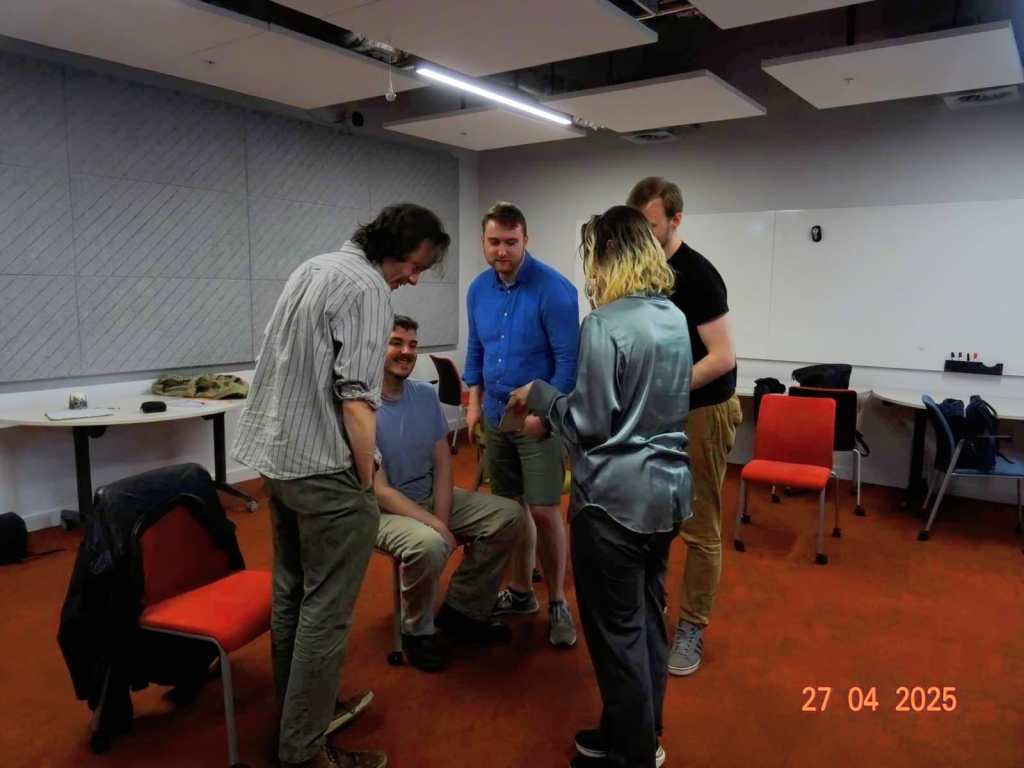
Ashley Brown’s ‘In His Own Image’ in rehearsal…
How do you see your creative practice feeding into your research practice, and vice versa?
LD: My practice research performance piece is the dissemination output of my PhD project. In order to change breast cancer narratives and discourse, it is essential to reach the right people to have that impact. Although the feedback from the performance made clear that that impact had happened in that one off event, it was only 140 people. It is therefore crucial that the work is disseminated further through more events and conferences.
AB: Although I’m doing a more ‘traditional’ History PhD – based on archival research and an extensive methodology – I’m a very creative person, and I love the way in which creative practice can open up completely different ways of thinking about a topic or issue. For example, I’m a disabled, queer woman so trying to understand the embodied experience of a 16th-century young man is difficult for me. By creating a play, which is heavily shaped by modern, lived male experience, I’m able to better understand how 16th-century men experienced their bodies and how they related to other men. My research was very important at the start of the devising process, when I needed to make sure my actors were all on the same page around knowing what masculinities are and how these shape men/are performed by men. As we’ve gone on though, my research has become less directly relevant but still underpins a lot of the central ideas and developments in the performance.
“I’m a disabled, queer woman so trying to understand the embodied experience of a 16th-century young man is difficult for me. By creating a play, which is heavily shaped by modern, lived male experience, I’m able to better understand how 16th-century men experienced their bodies and how they related to other men.”
Ashley Brown, PhD Researcher
What are the biggest challenges you have faced – either through this project or broadly – as a practice-based/practice-led researcher?
LD: The biggest challenge is finding the balance between the management of the practical project, the creative work and the academic reading and writing. Whilst I was project managing the project and producing the play, I still had to be mindful to keep my writing practice consistent.
AB: I think the biggest challenge for this project has been the project management side of things, in that I’ve had to drive everything and also be ultimately responsible for everything we do. It has taken a lot of time and effort (I’ve been working on this project directly since October 2024), which I’ve had to balance alongside my research and writing. I think I’ve done a good job, but it’s definitely been a challenge! I also have found that I’ve needed to be more comfortable with being assertive – I worry about coming across too strong or in a mean way when being a manager and director – but I’ve had to just accept that I’m in charge and that means being firm!
Ashley Brown’s ‘In His Own Image’ in rehearsals…
What changes do you feel need to be made to more ‘traditional’ research outputs to better accommodate practice-based and practice-led forms?
LD: I think different institutions are at different stages with this. In a subject such as theatre studies, it is essential that performance outputs are viewed with as much credit as the academic writing. My project is 60% performance, 40% academic writing, and I will produce between 30,000 and 50,000 words. This felt right for my project because it was important to ascertain the context and academic landscape, as well as to critically reflect on the creative output. However, the largest part is the performance output itself.
“I think different institutions are at different stages with this. In a subject such as theatre studies, it is essential that performance outputs are viewed with as much credit as the academic writing.”
Lori Delaney, PhD Researcher
AB: There needs to be better infrastructure to support practice-led projects. Everyone has been very enthusiastic and keen for me to develop the performance but because so few people do something like this, there’s very little practical support and this has been very stressful! Finding rehearsal spaces, in particular, was a huge barrier that (thankfully!) got resolved after a lot of running around and chasing. I think also some people are a bit taken aback when you tell them you’re doing something like this alongside the more ‘traditional’ parts of a PhD – I would really love to see that reaction change.
“There needs to be better infrastructure to support practice-led projects.”
Ashley Brown, PhD Researcher
What’s next for your performances?
LD: As I mentioned before, it is clear from the feedback of the performance event that disseminating this work further is essential to attain the impact intended from the project. I am currently exploring opportunities to do that.
“Disseminating this work further is essential to attain the impact intended from the project.”
Lori Delaney, PhD Researcher
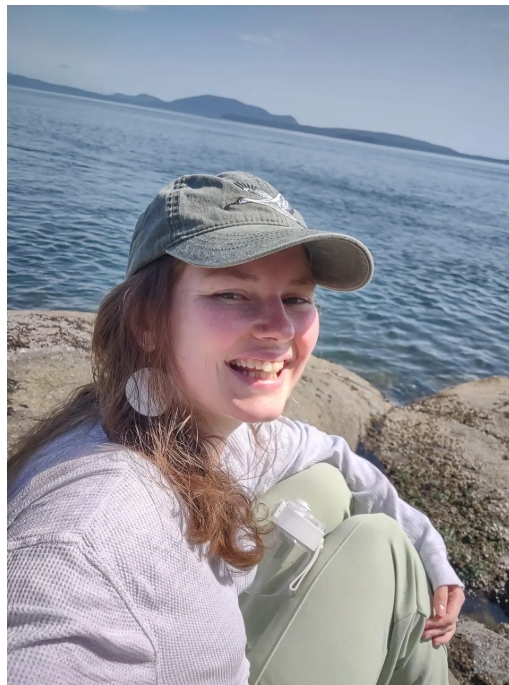
Ashley Brown is a 2nd year PhD Researcher at the University of Glasgow. Her research analyses divergent, yet co-existing, masculine practices at universities in St Andrews, Glasgow, Aberdeen and Edinburgh between 1560 and 1606.She also runs Bottoms Up Theatre with her husbandand will be taking their new devised play ‘In His Own Image’ to the 2025 Edinburgh Fringe Festival. More information about Bottoms Up Theatre and upcoming work: @bottomsuptheatre.
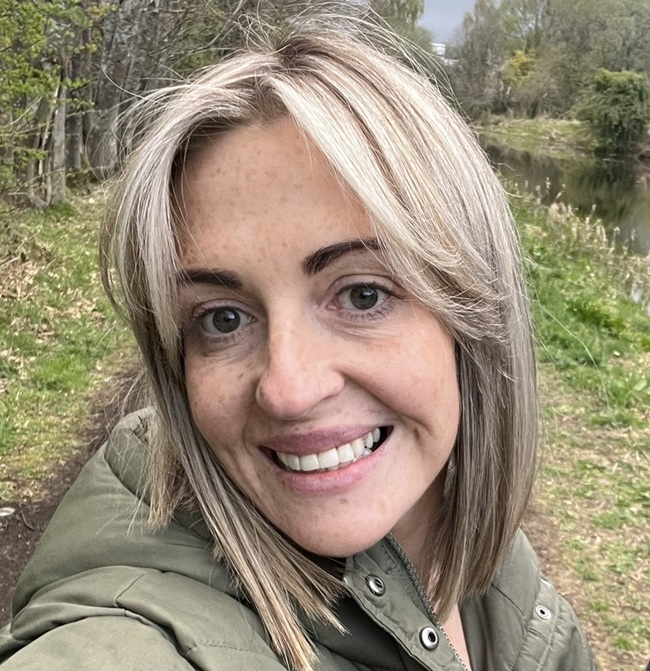
Lori Delaney is a Performance Artist and 4th year PhD Researcher at the University of Glasgow. Her new play, ‘A Waiting Game’ premiered last month at the University of Glasgow as part of her PhD project, titled titled ‘Performing Breast Cancer Stories: Disrupting Narratives and Constructing Selves’.
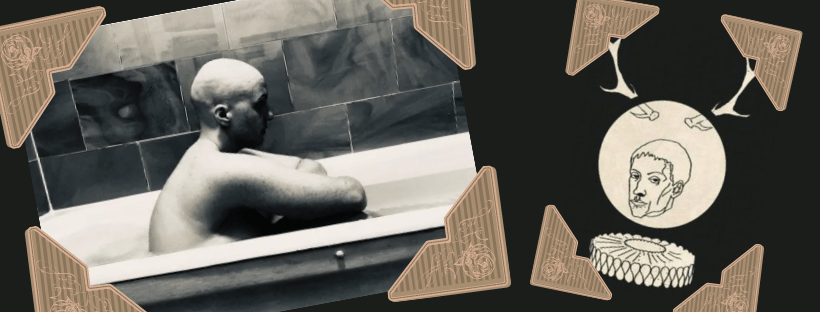
Cover photo courtesy of Ashley Brown and Lori Delaney.


 SGSAH Blog