

There comes a point when your research and your life are so intertwined that the décor in your home and the presents you buy for others are directly inspired by your PhD. This week, resident blogger Ebba Strutzenbladh, in the hopes of becoming a medieval influencer, shares the hottest trends straight from the medieval period that she has been implementing in her own life – in case anyone is in need of last-minute gift inspiration ahead of the holidays.
My love of history began in childhood, with an audiobook that my mum gave me that detailed the lives of all the queens and kings of Sweden from the country’s earliest days until the 19th century. I memorised everything about them: their personalities (often moody); their hobbies (usually hunting); and their legacy (always contested).
I was transfixed by these past lives, and wanted to form a more direct bond with them that was grounded in materiality rather than in ideas. When I got older and started to look at portraits of kings and queens, I was nonetheless distraught. The stylised nature of pre-modern portraits appalled me. Their eyes were like fisheyes, cheeks too red, poses unfamiliar. Worst of all I found the fashion, with the needle waists, strange patterns, absurd headwear and high hairdos. I understood there was a way to get used to this foreign fashion, just as I was at that time getting used to people wearing scrunchies instead of normal-sized hair ties, but I couldn’t do it. My eyes were not able to distinguish how and why medieval fashion made sense.
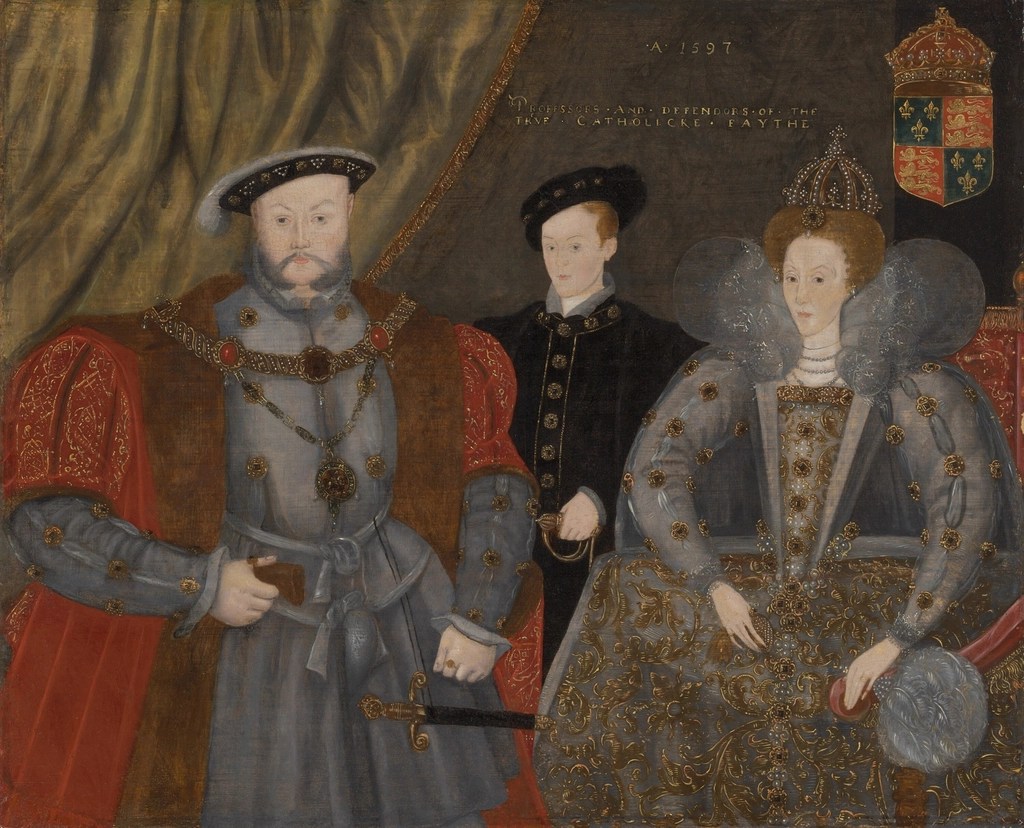
At the end of my PhD on late medieval Scottish women, my eyes have begun to change. I’m starting to see the appeal of medieval material culture and why people were so attached to their objects. Below, I share some of the fashion and lifestyle inspiration that I’ve picked up from my research.
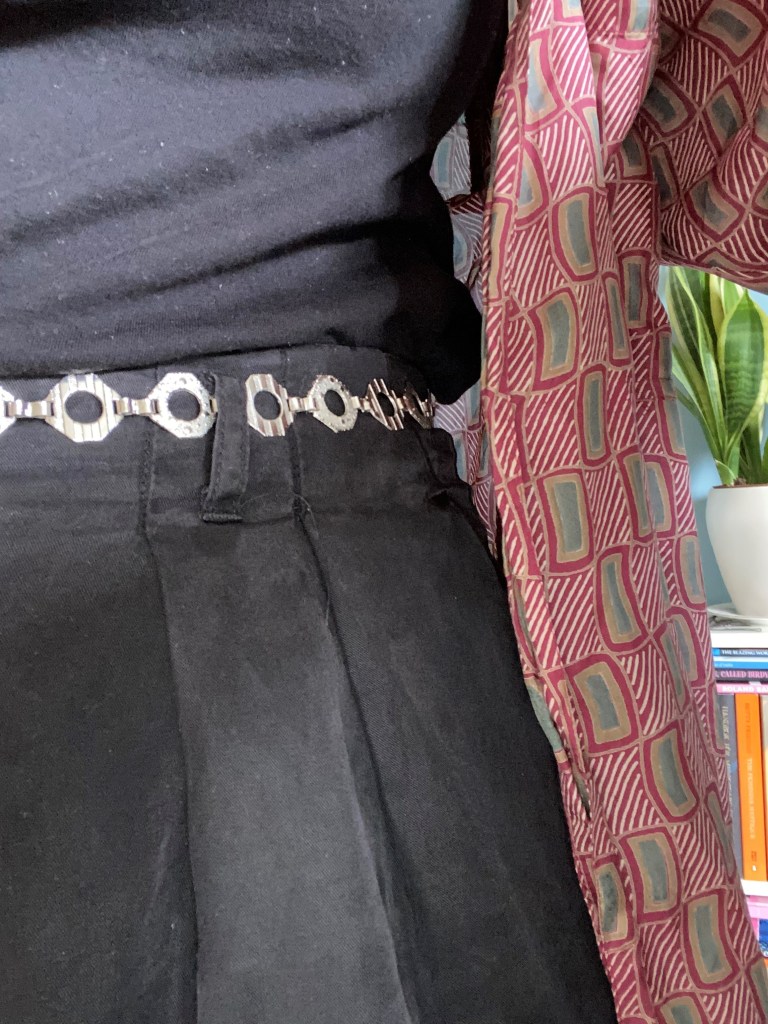
‘My best belt’: leather, metal, or embroidered belts
The Aberdeen burgh records are full of people pawning their valuable belts and then struggling to get them back from whoever they pawned them to.1 Belts are both practical and decorative, and the idea that they can fulfil their function regardless of what material they’re made from has really changed my perception of what a belt can look like.
Bedding
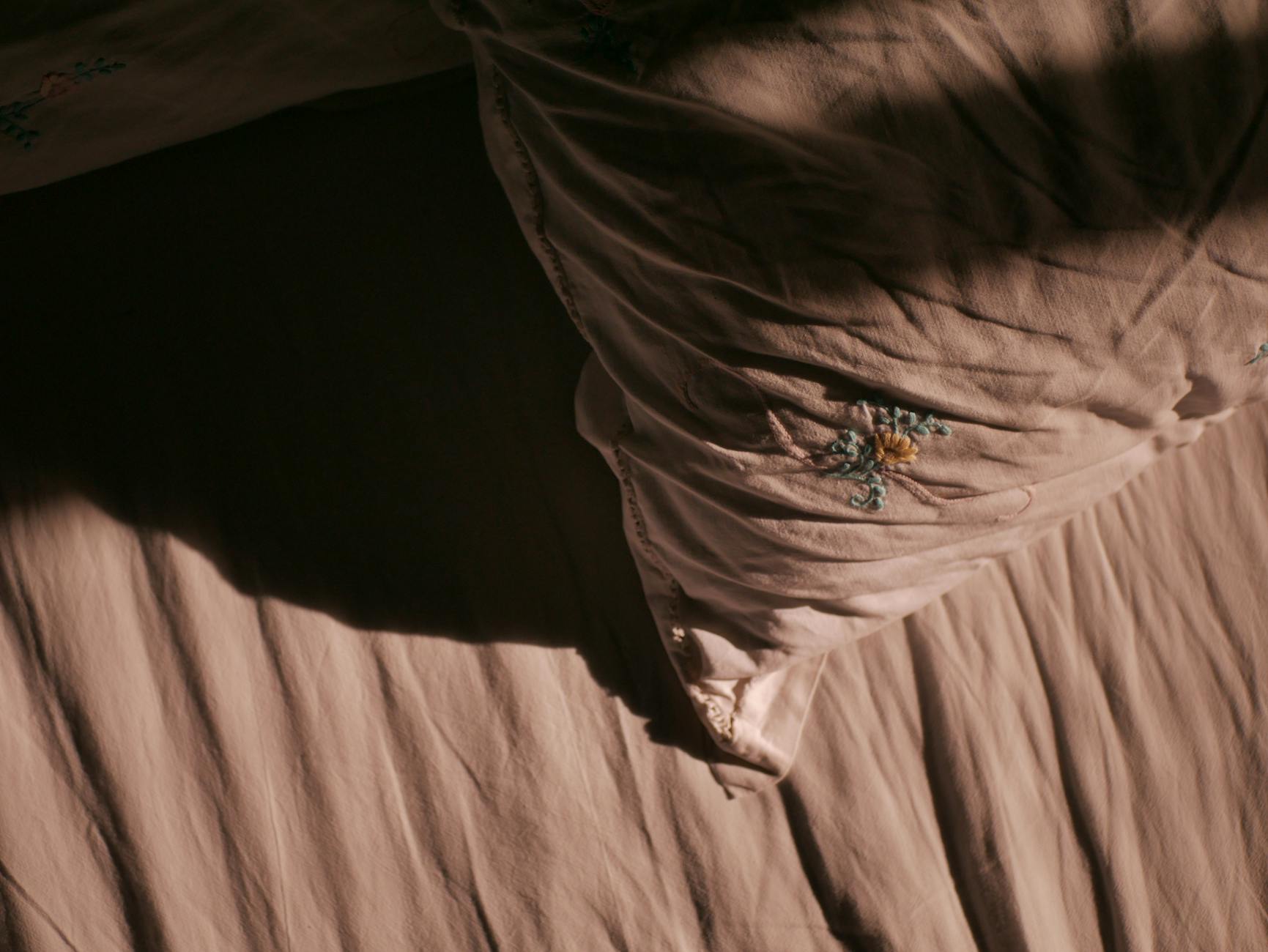
Sheets, pillows and mattresses were deeply personal to medieval people. In final wills and testaments, testators usually preferred to bequeath bedding to their closest relatives; these items were understood as exceptionally intimate and familial.
The number of hours we spend in bed, especially if we tend to linger there to scroll on our phones, are probably more than we’d like to admit. If there ever was a way to spoil yourself or someone you love, it’s to invest in good bedding (and healthy sleeping habits).
Candles
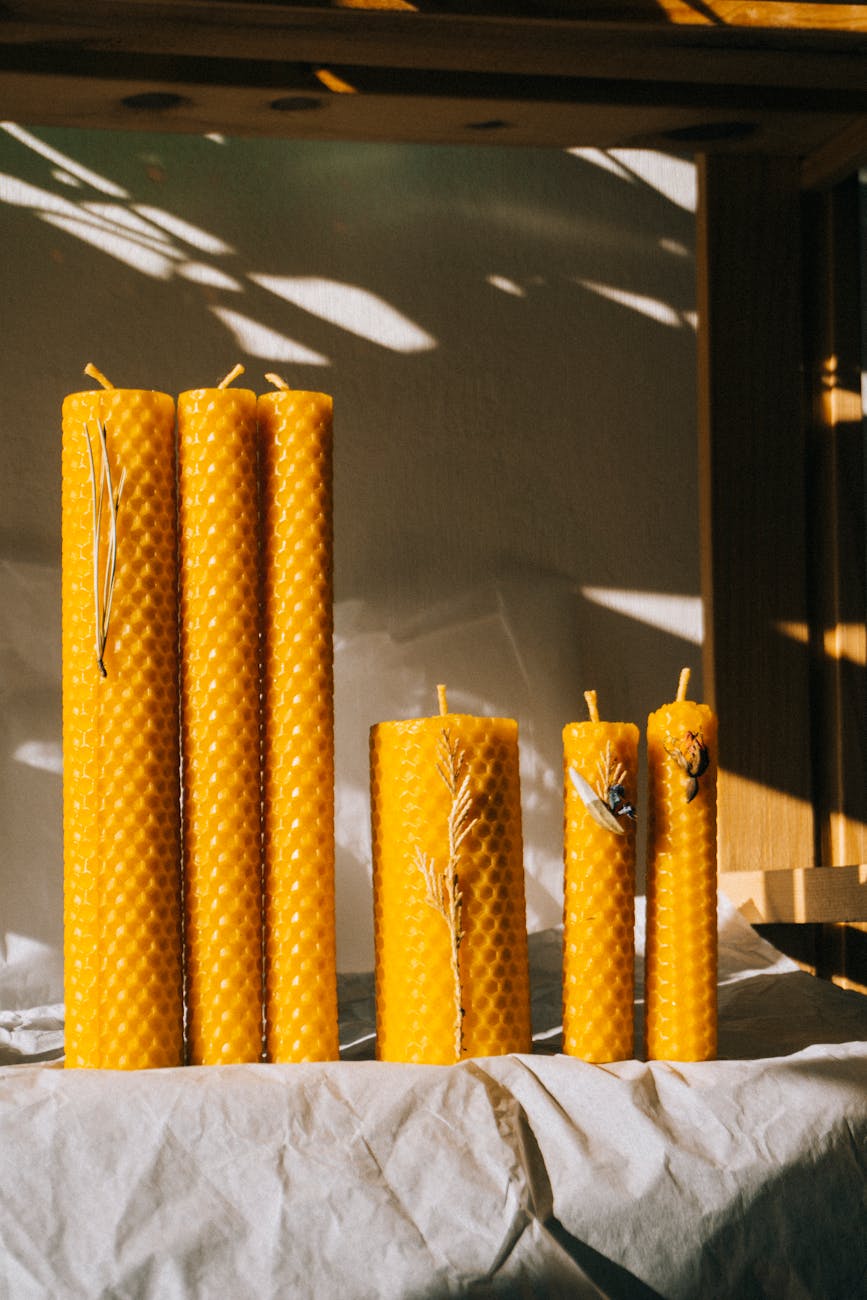
Candles make boring rooms cosy and cosy rooms cosier. Small or big, they provide a sense of ceremony and safety to everyday life.
Entourages
Medieval people travelled in groups, ate in groups, and slept in groups. When the Countess of Huntly came to fetch her eight barrels of salmon that a burgess gifted to her in 1507, she did so followed by her ‘familiaris’.2 When Lady Marie Maitland wrote her poetry in the 1580s, she did so surrounded by her loyal ladies:
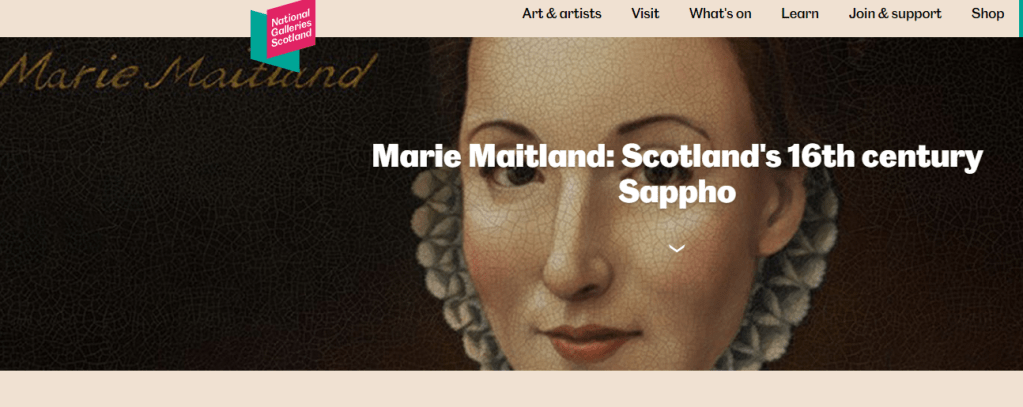
‘And though adversity us vex
Yet by our friendship shall be seen
There is more constancy in our sex
Than ever among men has been.’3
In other words, having just one Best Friend is so 2021. Get inspired by the 1500s and assemble yourself an entourage. And if you want to present your friendship circle with gifts, why not give them food? If you can’t afford eight barrels of salmon, an artisan loaf of bread or cheese is as good as a jewel in this economy.
Rings
Perhaps rings have never really been out of fashion, but all the more reason then to get yourself and your loved ones bejewelled.
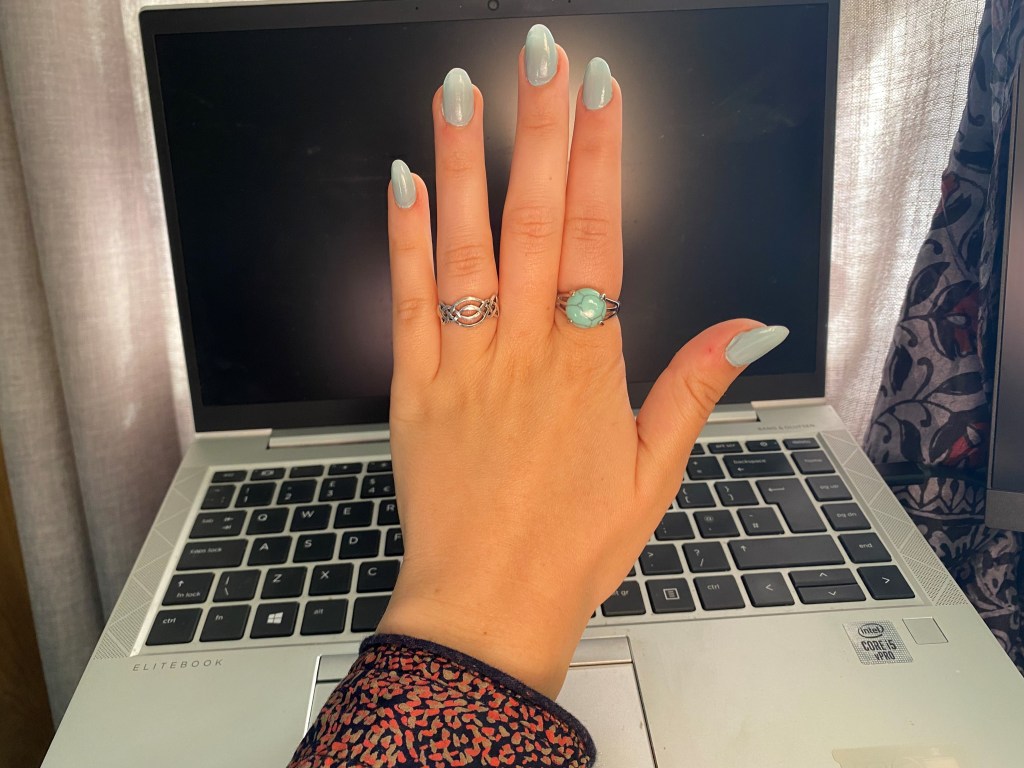
For more inspiration, check out this Pictish ring that was found at a Moray fort earlier this year (new versions of the same are produced by Caledonian Forge, whose work has also been exhibited in the Aberdeen Art Gallery).
Cutlery
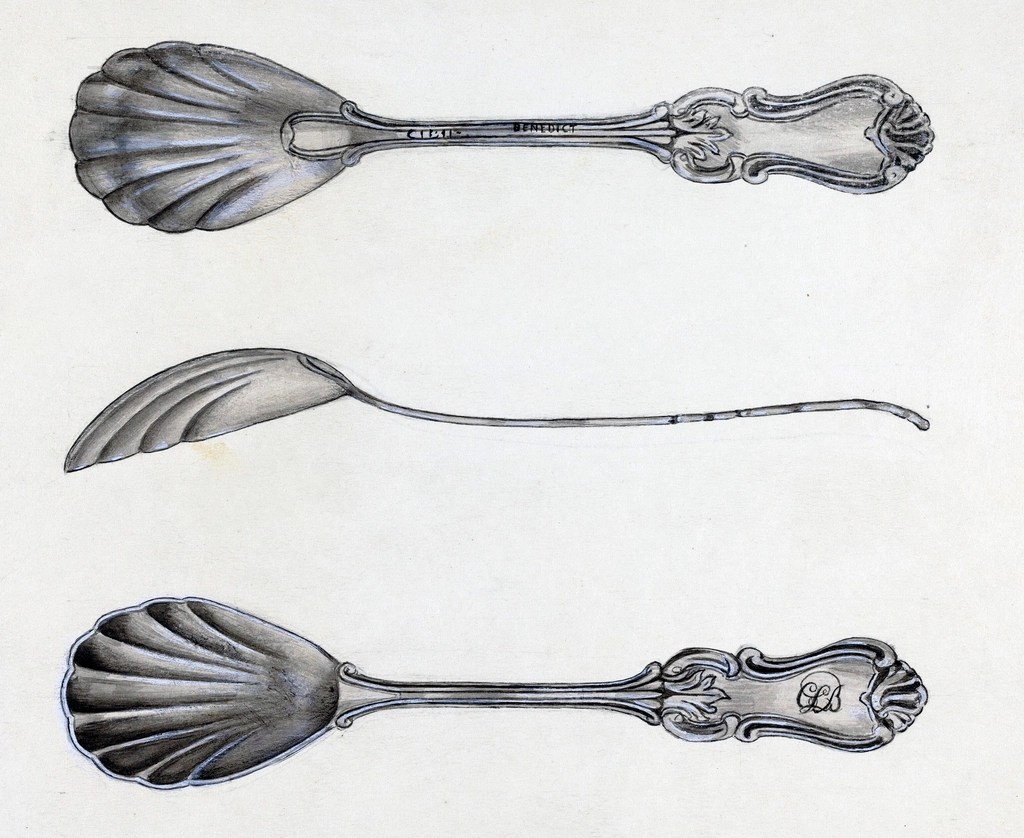
Another beloved medieval item was the silver spoon. Still, to be sure, a fairly common christening gift in some places. But why only consider the importance of spoons on such occasions? Search second hand stores for cutlery that enhances your dining experience. They don’t have to be medieval – they just need to be fun.
Embroidery
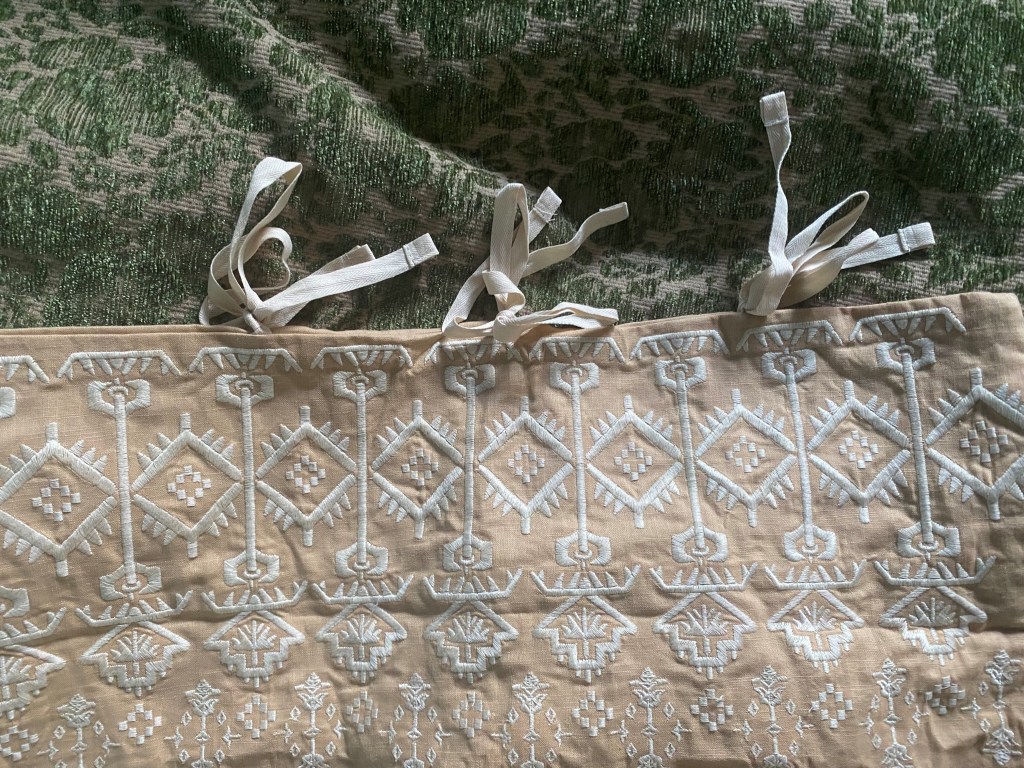
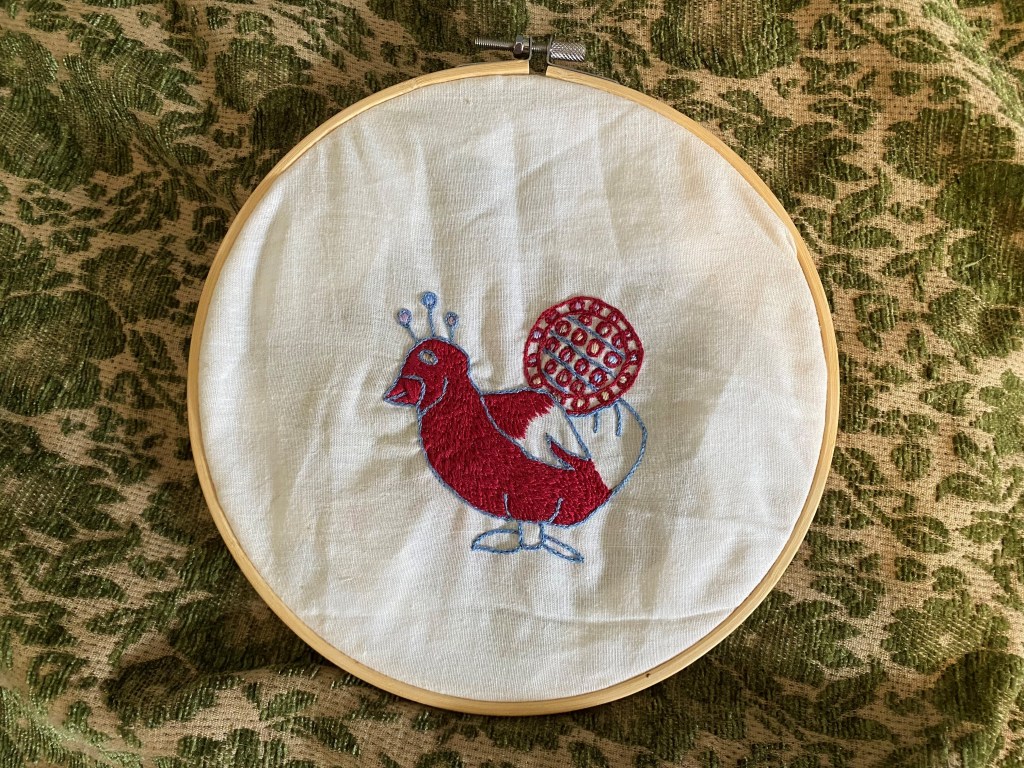
Streaming services and podcasts have me exhausted. I want to work with my hands when I’m not working on my thesis, and embroidery has been a great way to do it – as well as a way to feel close to medieval women who engaged in this kind of activity.
I draw an image with a pencil on an old sheet and use some of the easiest stitches (like the Split Stitch and the Stem Stitch) that I learnt on YouTube to fill in the shape. The result is not always fit to gift to someone, but it’s great fun.
To conclude
The Middle Ages has seeped into my everyday life. I think my growing fascination with the medieval aesthetic bears testament to the fact that our PhDs can, quite literally, make us see the world with different eyes. There is much to learn from medieval (pre-consumerist) culture about the importance of durable materials, stable social contacts, and the rituals that provide safety, form, and meaning to everyday life. Gift giving is in itself a social ritual that fortifies friendships and imbues life with a sense of luxury. Even if your economic situation or political beliefs mean that you’re not big on large-scale consumption, tying a bow around a small gift or wrapping it in colourful wrapping paper is a way to perform love and appreciation so as to make your relationships concrete.
- See, for instance, ARO-4-0438-02; ARO-5-0094-12; ARO-7-1040-03; Edda Frankot, Anna Havinga, Claire Hawes, William Hepburn, Wim Peters, Jackson Armstrong, Phil Astley, Andrew Mackillop, Andrew Simpson, Adam Wyner, eds, Aberdeen Registers Online: 1398-1511 (Aberdeen: University of Aberdeen, 2019), <https://www.abdn.ac.uk/aro> [accessed 05/09/2024]. ↩︎
- ARO-8-0662-04. ↩︎
- W. A. Craigie, ed., The Maitland Quarto Manuscript, STS, new ser., 9 (1920); Jane Stevenson & Peter Davidson, Early Modern Women Poets (1520-1700), An Anthology (Oxford, 2001), p. 98; S. M. Dunnigan, ‘Scottish women writers, c.1560–c.1650’, A history of Scottish women’s writing, ed. D. Gifford and D. McMillan (1997), 15–43; Joanna M. Martin, ‘Women as Readers, Writers and Book Owners in Late SixteenthCentury Scotland: The Maitland Quarto Manuscript’, The Bottle Imp 14 (2013), 1-4. ↩︎
 SGSAH Blog