

” In many ways, my PhD simply gave academic language to questions that community work had already been asking me for years“.
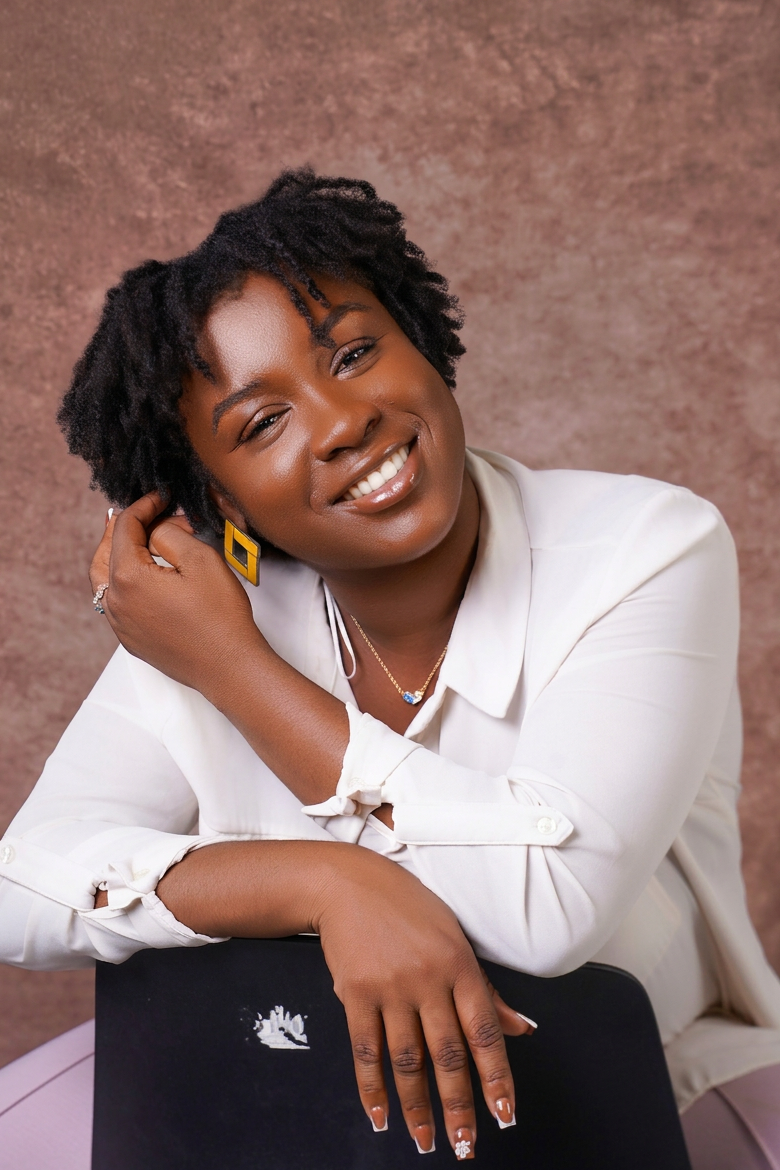
Olivia Shaw-Lovell
Reflections
I sometimes find it difficult to explain where my research truly began because, although I am now undertaking a PhD at The University of Edinburgh, the questions that brought me here were never born solely within academic spaces. By the time I entered this programme, I had already spent more than a decade immersed in faith-based and community work across Jamaica and the wider Caribbean, walking alongside women, families, and communities as they navigated trauma, survival, violence, faith, leadership, healing, and the emotional realities that societies often encourage people to carry quietly.
My name is Olivia Shaw Lovell, and I am honoured to join the Scottish Graduate School for Arts and Humanities blog as one of its new voices. My research explores faith, trauma, healing, and decolonial mental health among Jamaican survivors of gender-based violence, with particular attention to the ways colonial histories, spirituality, culture, gender, and community shape how people experience suffering and pursue healing. My work sits somewhere between theology, psychology, storytelling, spirituality, and liberation work, although I have increasingly realised that the lives and realities I care about rarely fit neatly into disciplinary categories, and perhaps that discomfort with rigid boundaries is part of what drew me so deeply toward the arts and humanities in the first place.
For the past ten years, much of my work has been rooted in Men & Women of Destiny Global, formerly Women of Destiny, a faith-based movement and outreach initiative that has evolved into a wider community-centred mission across Jamaica and the Caribbean. Through mentorship, leadership development, healing-centred programmes, advocacy, and direct community engagement, I have spent years sitting with the realities many people only encounter abstractly through theory or policy conversations. Long before I encountered academic language around trauma-informed approaches, narrative interventions, or decolonial mental health frameworks, I was already witnessing how trauma, gender-based violence, faith, silence, survival, and resilience shape people’s lives in deeply complicated ways.
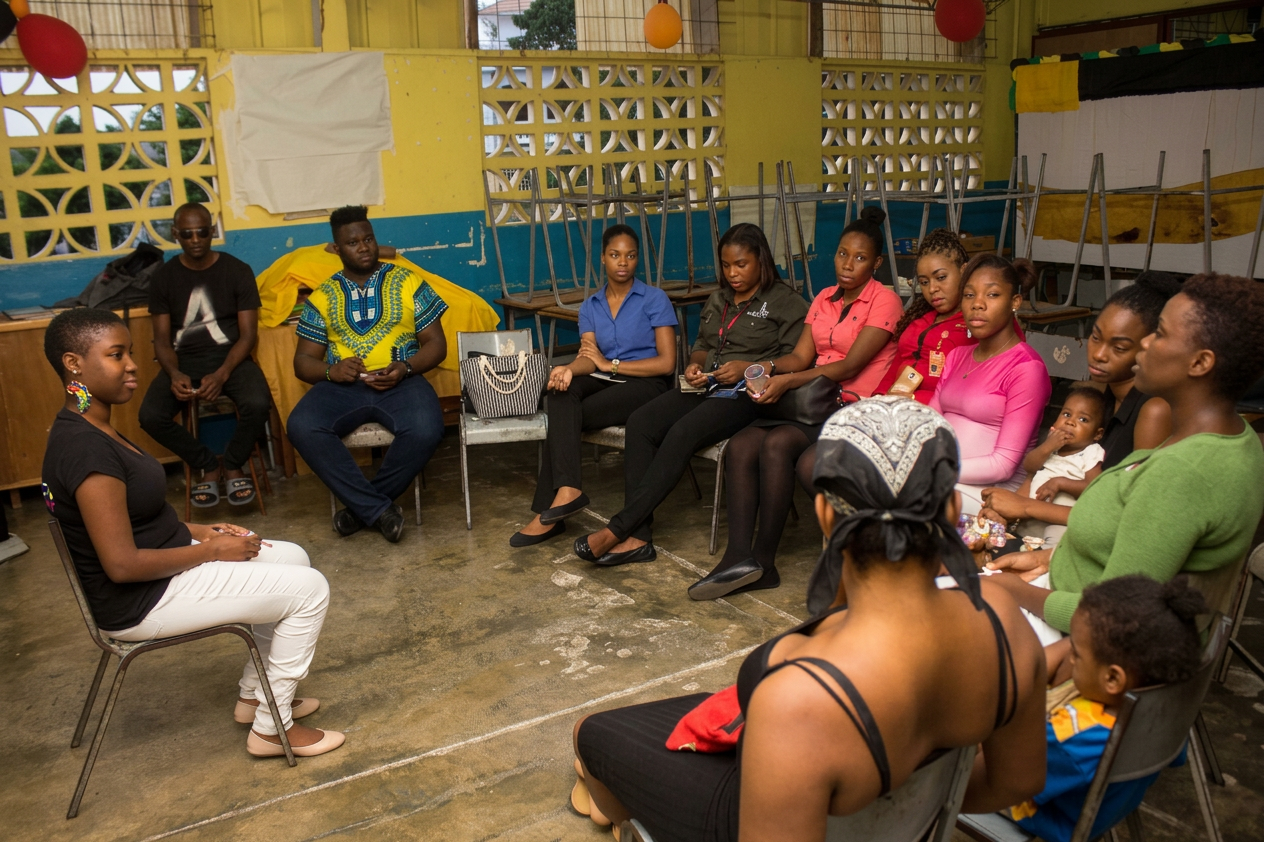
In many ways, my PhD simply gave academic language to questions that community work had already been asking me for years.
Coming from a Caribbean context, I have always been aware that some of the most important forms of knowledge are not necessarily housed within institutions, journals, or formal theory, but within lived experience, oral histories, spiritual practices, cultural memory, and the everyday strategies communities develop in order to survive systems larger than themselves. Much of my work now is concerned with asking what becomes possible when those forms of knowledge are taken seriously rather than treated as secondary to Western psychological or academic frameworks.
Outside of academia, I am also the founder of Evolve Coaching Services and co-leader of The Faith Family platform, where much of my writing and creative work explores themes of faith, identity, migration, womanhood, healing, culture, and personal transformation. Across these different spaces, whether through coaching, speaking, writing, advocacy, or digital storytelling, I have consistently found myself drawn toward conversations that sit at the intersection of emotional honesty, spirituality, justice, and collective healing.
You can find some of that work here:
- Men & Women of Destiny Global
- The Faith Family YouTube Channel
- My Substack
- Untold Stories Blog
- Instagram – Personal Page
- Feature on the expanding mission of Men & Women of Destiny Global
- Women of Destiny Jamaica Facebook Community
What excites me most about contributing to this SGSAH space is the possibility of engaging more honestly with the realities behind research and creative practice. Too often, academic spaces encourage people to present only polished outcomes while obscuring the deeply human processes that exist beneath them. Yet many of us are producing research while simultaneously navigating migration, caregiving, motherhood, grief, burnout, financial pressure, institutional expectations, faith shifts, and our own ongoing journeys of becoming. Particularly within the arts and humanities, our work is often inseparable from the questions that haunt us personally, culturally, politically, and spiritually.
I hope this blog can become a space where those complexities are not hidden but explored thoughtfully and honestly. I hope it becomes a place where researchers, artists, writers, and creatives feel able to reflect not only on what they are producing, but also on why their work matters, what shaped their questions, and how their communities, histories, identities, and lived experiences continue to inform the knowledge they create. The arts and humanities remain deeply necessary because they insist on complexity in a world increasingly obsessed with simplification. They create room for memory, imagination, critique, creativity, storytelling, ethics, and human connection, reminding us that research is never simply about information but also about meaning.
And so, whether your work exists within archives, oral histories, theology, literature, policy, activism, creative practice, performance, film, community work, or spaces that resist easy categorisation altogether, I hope you will contribute to this conversation too. Not because you have everything figured out, but because the arts and humanities are strengthened when people are willing to bring their real questions, real tensions, and real humanity into the work they do.

