

What Barro Colorado Island Leaves in the Shadows
What happens when one place becomes so celebrated for scientific discovery that the histories surrounding it begin to disappear?
This question was at the heart of The Shadows of Barro Colorado, an exhibition I co-created with Panamanian artist Ana Sofía Camarga for the SGSAH Research Showcase 2026, held on 24 and 25 June. The exhibition brought together archival research, botanical illustrations, live plants and stop-motion animation to explore the tension between one of the world’s most studied tropical forests and the largely overlooked nineteenth-century histories of Panama’s Isthmic Route.
Barro Colorado Island is recognised as one of the most important contemporary sites for tropical biological research. However, its scientific prominence also casts a significant historical shadow. The attention placed on the island can make it difficult to see the wider histories of labour, medicine, care and survival that shaped the surrounding landscape long before Barro Colorado became internationally associated with tropical science. Through the exhibition, we wanted to look beyond the island and challenge this historical fixation. We were particularly interested in recovering stories from a period when the tropics were frequently represented as hostile, dangerous and uninhabitable, and when the people who lived, worked and cared for others within these landscapes were often excluded from official accounts of scientific development.
Looking Beyond the Island
My PhD research examines the history of the natural and medical sciences in Panama from the 1850s to the 1950s. By reconnecting Barro Colorado Island with the broader history of the Isthmic Route, my project traces the changing ideas about tropical landscapes that eventually shaped twentieth-century scientific institutions.
A central concern within my research is the way institutions defined who could be recognised as a scientist and which places could be recognised as legitimate spaces of scientific knowledge. These boundaries often rendered women invisible, whether through direct structural barriers or through narrow definitions of where scientific work happened and what kinds of knowledge counted. Creating the exhibition with Ana Sofía gave us an opportunity to move these questions beyond the written thesis and experiment with visual storytelling. Rather than simply presenting the findings of my first-year archival research, we wanted visitors to enter the questions with us and consider what might become visible when familiar histories are approached differently.
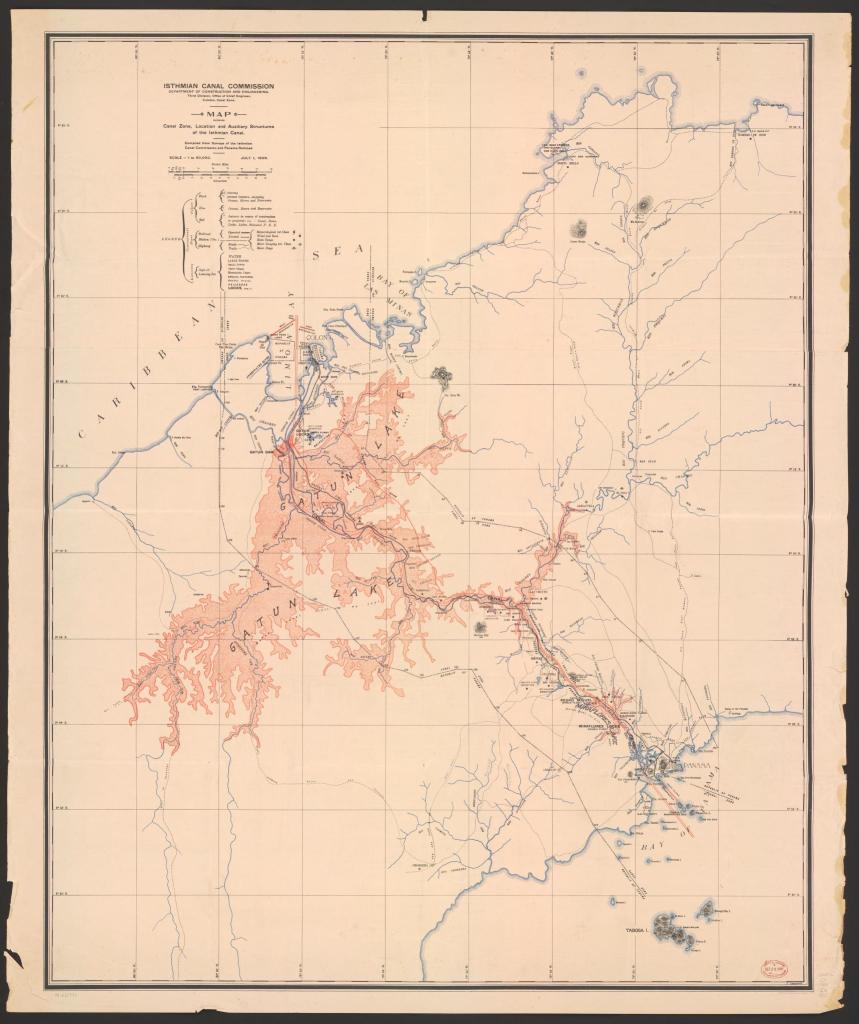
Turning Archival Research into an Exhibition
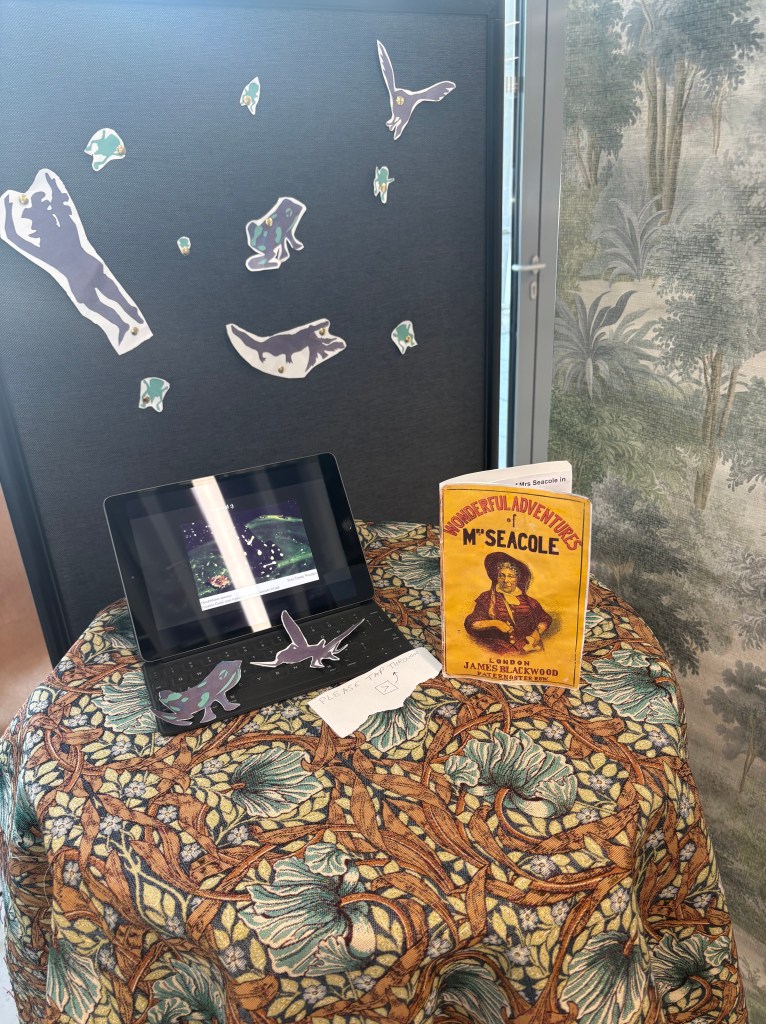
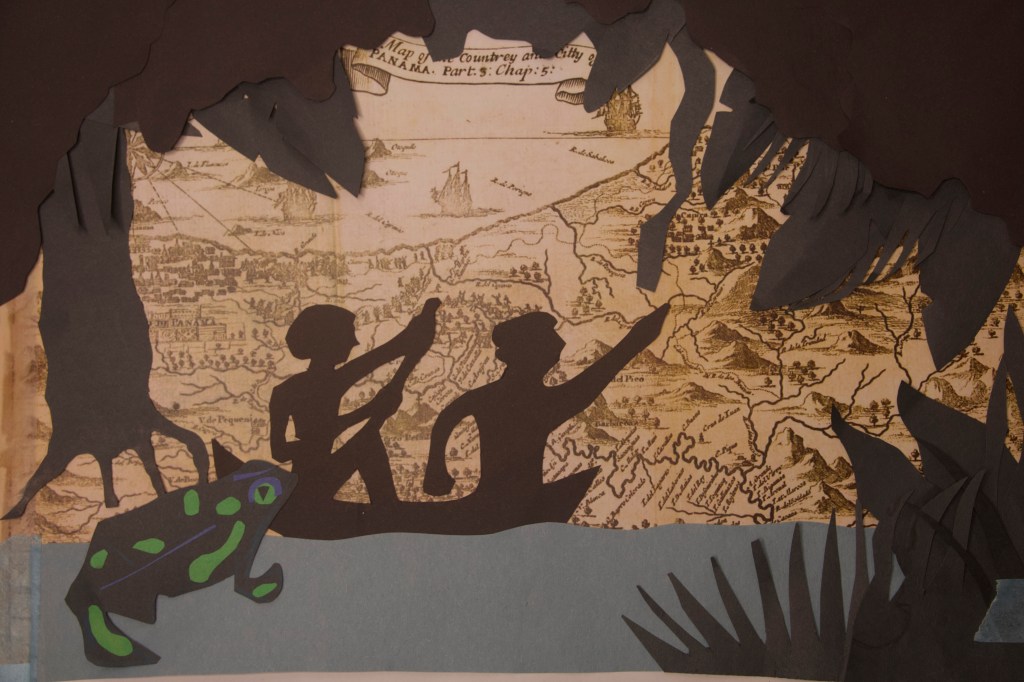
When designing the showcase space, we created a small cabin intended to awaken what we called “tropical curiosity.” The space combined tropical wallpaper, nineteenth-century botanical illustrations from the Wellcome Collection and live plants. At its centre was a short stop-motion film developed specifically for the exhibition.
The film began with a question that continued to shape our creative process: can landscapes have historical agency?
By animating Barro Colorado Island, we experimented with archival materials and visual speculation to recover the stories of women who challenged prevailing ideas about tropical environments. The island was not treated merely as a background against which history happened, but as part of the historical narrative itself. This approach allowed us to think about the ways landscapes are imagined, represented and transformed. It also helped us examine how certain stories become central to the history of science while others remain at the edges.
Women, Medicine and the Isthmic Route
One of the women at the centre of the exhibition was Mary Seacole, the Creole Jamaican practitioner who provided medical care along the Isthmic Route during the nineteenth-century railway period. This was several years before the work in the Crimean War for which she later became widely known.
Placing Seacole within the history of Panama helped us present a more complex account of medicine, mobility and care in the tropics. Her story also challenged the assumption that scientific and medical knowledge was produced only within formal institutions or by people who carried officially recognised professional titles. The exhibition also highlighted the Daughters of Charity of Saint Vincent de Paul. Arriving in Panama in 1875, these French Catholic Sisters became part of the first line of defence against malaria, yellow fever and cholera. Their approach to nursing attended to both the body and the soul, even as they worked through disease outbreaks, political instability and the constant threat of expulsion. These stories allowed us to show that women were not simply present within the history of tropical medicine. They were producing knowledge, developing practices of care and responding directly to the conditions of the landscape, even when later histories failed to recognise their contributions.
Creating the Visual Language
Ana Sofía’s artistic process drew upon artists who use silhouettes, collage and archival materials to explore histories that have been erased or fragmented. The work of Kara Walker and Panamanian artist Giana De Dier helped shape our thinking about how visual techniques could reveal the violence, absence and uncertainty contained within historical archives.
The film also featured “Barrito,” the affectionate name we gave to the Dendrobates auratus frog. Ana Sofía developed the character by drawing inspiration from gold objects created by the Greater Coclé and Chiriquí cultures. Barrito’s legs reference the abstract forms found within these pre-Hispanic representations. These artistic decisions were not simply decorative. They helped us connect different periods of Panama’s history and encouraged visitors to consider how Indigenous knowledge, colonial encounters, scientific institutions and tropical landscapes have been represented over time.
Sharing Research Before It Feels Finished
One of the most valuable parts of the showcase was speaking about my research with other doctoral researchers, artists and people outside my discipline. Those conversations helped me with the difficult process of reframing, synthesising and sharpening a research project during its first year.
Sharing unfinished ideas can feel intimidating because we invest so much time, thought and emotion in our work. There is always the fear that someone will misunderstand the project, identify something we have overlooked or ask a question we are not yet prepared to answer. However, the showcase provided a supportive space in which I could confront that discomfort, move beyond my usual academic environment and return to the research with greater confidence.
It also reminded me that the things that appear obvious to a researcher are not always obvious to the public. Communicating the project visually required me to identify its most important questions without relying upon the specialist language that can easily become familiar within academic work. There is something about tropical landscapes that continues to capture people’s attention, regardless of how near or distant they feel from them. Thinking carefully about the details that inspire curiosity encouraged me to consider the continuing influence of tropical imagery and the ways these representations shape how people understand places such as Panama. Re-signifying these images is therefore important work. Creative practice can help us look again at landscapes we think we already know, recover the people who have been pushed outside conventional histories and create a bridge between academic research and wider audiences.
For me, The Shadows of Barro Colorado demonstrated that public engagement does not have to begin after a research project is completed. It can become part of the research process itself, helping us test our ideas, recognise what remains unclear and discover new ways of making overlooked histories visible.
What might we find if we looked beyond the places and people traditionally celebrated within the history of science?
Patricia Rogers Marciaga
First-year PhD Student in Science and Technology Studies
University of Edinburgh
Research Associate, CIEPS Research Centre
Instagram: @patyyyyrogers
Ana Sofía Camarga
Artist and Researcher
2026 Creature Conserve Fellow
Instagram: @camargura
We are always seeking new guest bloggers! If you have an idea for a blog post or would like to informally discuss writing for the SGSAH blog please get in touch with Olivia via email at olivia.shaw-lovell@glasgow.ac.uk or connect with the blog on social media.

