
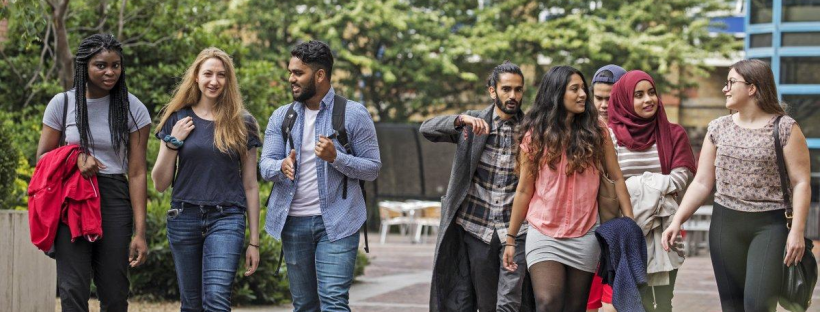
There is something special about the beginning of a new academic year. Campuses come alive again, inboxes fill with invitations, induction sessions introduce us to people whose names we will inevitably forget and new PhD researchers arrive carrying a mixture of excitement, ambition and, if we are being truthful, a little uncertainty about what they have actually signed themselves up for.
Starting a PhD is exciting! You worked for this. You applied, waited, perhaps searched endlessly for funding, celebrated the offer and imagined what life as a doctoral researcher would look like. Then, somewhere between the welcome events, your first supervisory meetings and the growing reading list, the excitement can begin to settle.
The PhD becomes real.
And perhaps the question changes from How did I get here? to How do I actually do this?
I have been thinking about that question differently as we enter October, which is also Black History Month in the UK. At first, I wondered whether these needed to be two completely separate conversations. One about welcoming new PhD researchers and another about being Black in academic spaces. The more I thought about it, however, the more I realised that they meet at one very important word: belonging.
Getting here is only part of the journey
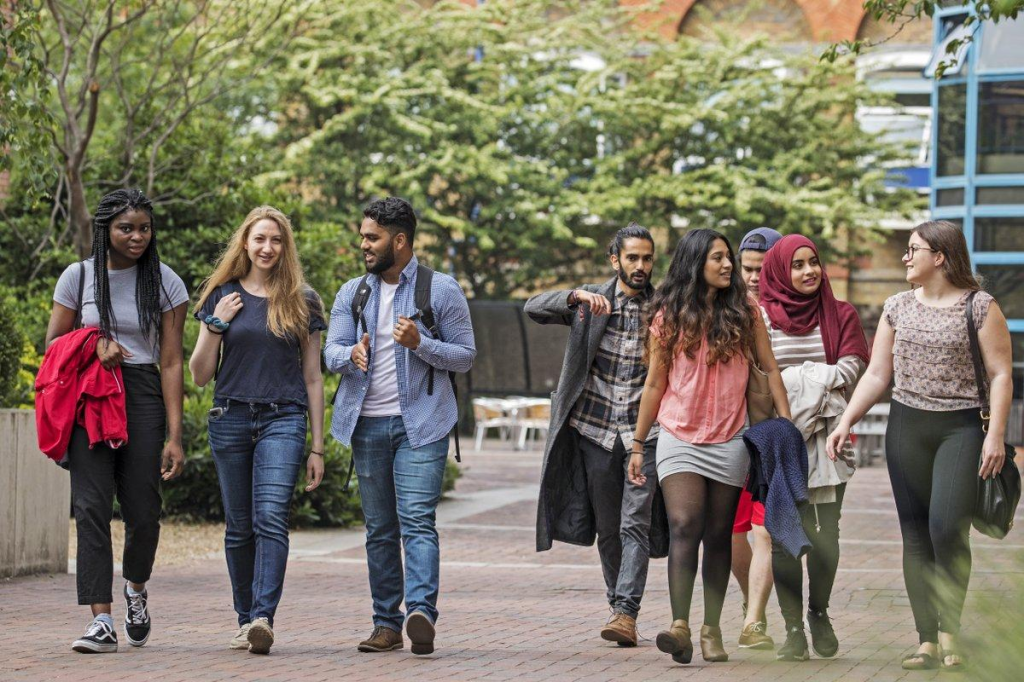
We often speak about access to higher education, particularly for people from communities historically underrepresented within universities. We encourage people to apply, pursue the scholarship, take up space and believe that they deserve to be in the room. All of that matters, but I am increasingly interested in what happens after we enter the room.
Because being admitted into a space and feeling that you belong there are not necessarily the same thing.
For some new researchers, the first few weeks may already have brought moments of questioning yourself. Everyone seems to know another theorist you have never read. Someone casually uses terminology you have to Google afterwards. You leave a supervision meeting with more questions than answers and suddenly wonder whether everyone else received a secret PhD handbook that somehow missed your inbox.For Black researchers, there can sometimes be another layer to this experience. Predominantly white academic spaces can be difficult to navigate, particularly when you are one of very few people who look like you in a room, when the scholarship that has shaped you is absent from a reading list, or when you find yourself thinking more consciously about how you speak, contribute or are perceived.
This is not every Black researcher’s experience, nor should Blackness in academia be narrated only through struggle. There is joy here too. There is community, brilliant scholarship, friendship, discovery and the opportunity to contribute knowledge that may not otherwise have entered these spaces. Black History Month should remind us of that too.
But celebrating achievement should never prevent us from asking what it costs people to remain in the spaces they worked so hard to enter.
Thinking about Professor Jason Arday
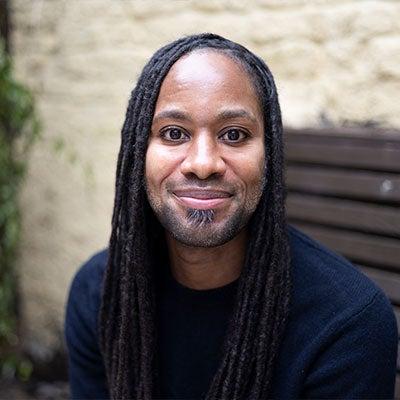
That question feels particularly poignant this year following the death of Professor Jason Arday in August.
Arday’s story had previously been celebrated as one of extraordinary achievement. In 2023, at 37, he became the youngest Black person appointed to a professorship at the University of Cambridge. His academic work addressed race, education and inequality, and his appointment was widely regarded as an important moment for representation within British higher education.His final months, however, became extraordinarily complicated. Serious questions and allegations were raised about aspects of his academic record, qualifications and scholarship. Cambridge began investigations, and Arday resigned on 5 August 2026. He died nine days later, on 14 August. Those matters should not be simplified, nor should unresolved questions be erased. Cambridge’s independent reviews are ongoing and include both institutional processes surrounding his appointment and the support and welfare protections available to him before his death. University of Cambridge
Yet there is another part of what followed that should concern universities. Cambridge reported that Black students and staff received racist, hateful and abusive messages following his death and subsequently strengthened culturally and racially sensitive support. The University has also said its review will consider the support available to academics facing extraordinary public and media scrutiny. University of Cambridge
For me, his story raises a question that extends beyond one person or one university: what does it mean to welcome people into academic spaces if we are not equally intentional about creating environments in which they can remain, belong and flourish?
So, what happens when the excitement wears off?
If you have recently started your PhD and the initial excitement is already giving way to uncertainty, I do not think the answer is simply to find more motivation. Motivation changes. Some weeks you will feel inspired by your research and other weeks you may wonder why you ever thought a PhD was a sensible idea.
What matters is beginning to build something that can carry you when motivation cannot.
- Find your people. Your PhD community does not have to exist only within your department or supervisory team. SGSAH itself gives us access to researchers across institutions, disciplines and backgrounds, and those relationships can become an important part of making doctoral life feel less isolating.
- Ask questions, including the ones you think you should already know the answers to. Give yourself permission to be new at this. You have started a doctorate because there is something you are here to learn, investigate and eventually contribute. You were never supposed to arrive knowing everything.
- Most importantly, remember that you are a person before you are a PhD researcher. Build a doctoral life that has room for friendship, family, rest, faith, hobbies, community or whatever reminds you that your identity is bigger than your thesis.
As we mark Black History Month, perhaps there is also an invitation here for all of us, regardless of our background. Celebrating Black history cannot only be about remembering remarkable Black people after the fact. It should also make us think about the Black students, researchers and academics who are here now, about whose knowledge is valued, whose presence is supported and what belonging actually looks like within our institutions.
So, to everyone beginning their PhD this autumn: congratulations, you made it!
Now give yourself time to find your place here too.
We are always seeking new guest bloggers! If you have an idea for a blog post or would like to informally discuss writing for the SGSAH blog please get in touch with Olivia via email at olivia.shaw-lovell@glasgow.ac.uk or connect with the blog on social media.

